
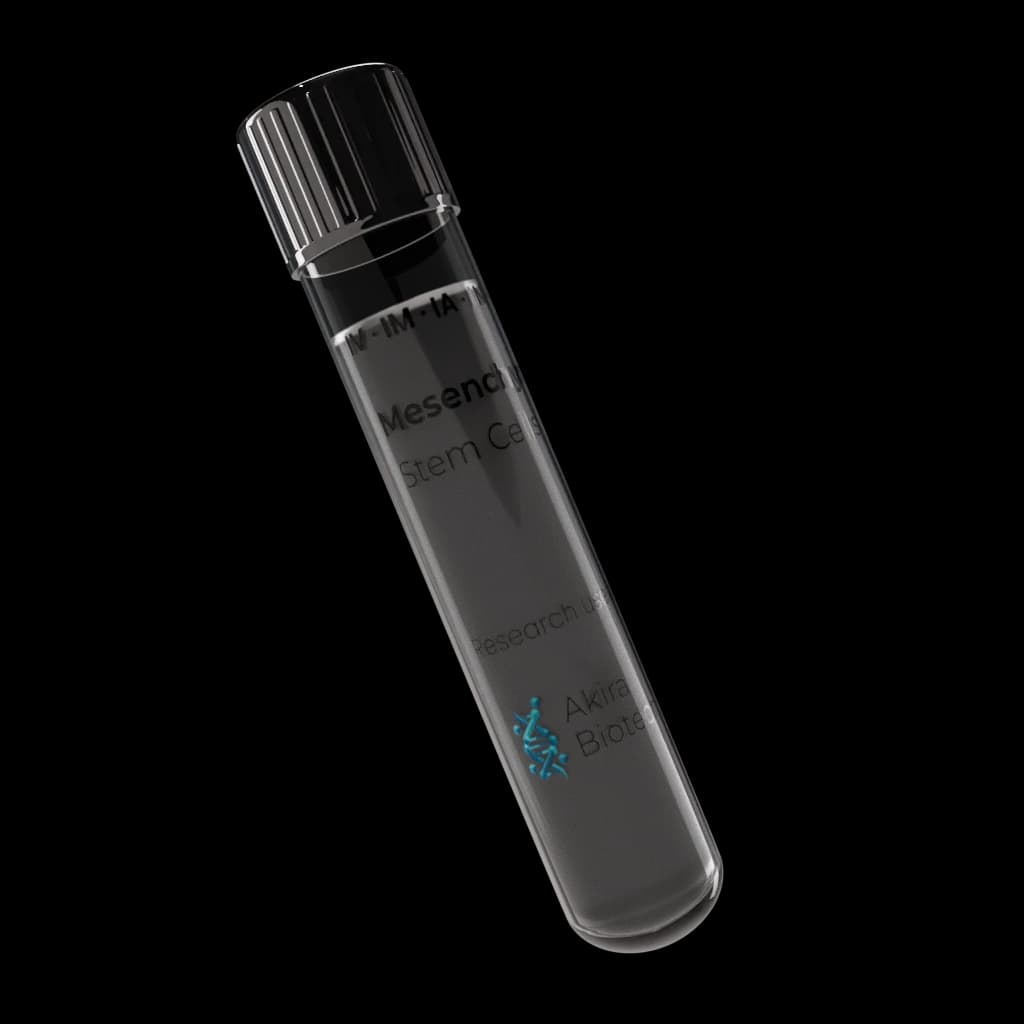
SKU MSC
Mesenchymal Stem Cells
SSEA-3-positive multilineage-differentiating stress-enduring (Muse) cells enriched from Wharton's Jelly in umbilical cord tissue. A rare, non-tumorigenic, pluripotent-like subpopulation of the mesenchymal compartment, studied for selective homing to damaged tissue, engraftment, and differentiation across all three germ layers. Manufactured under cGMP conditions and cryopreserved.
| 5 Million Cells | 1ml | |
| 10 Million Cells | 2ml | |
| 25 Million Cells | 5ml |
These are experimental use cases, provided as a scientific reference for researchers. Except where noted, they did not use Akira Biotech materials, and results may not be reproducible with ours. Akira Biotech supplies laboratory reagents for research use only. Our products are NOT approved by FDA or any regulatory authority and are not for use in or on humans.
Muse cells are a rare SSEA-3-positive subpopulation of the mesenchymal compartment, first described in 2010. They combine pluripotent-like marker expression and triploblastic differentiation with non-tumorigenic behavior, making them a distinct tool from both bulk MSCs and ES/iPS cells.
Compliance · Stem cells
Cells are manufactured under cGMP conditions and cryopreserved using a non-toxic, glucose-based method with greater than 98% viability.
Cryopreserved using a non-toxic, glucose-based method with greater than 98% viability.
Explore More
SKU MSC
Mesenchymal Stem Cells
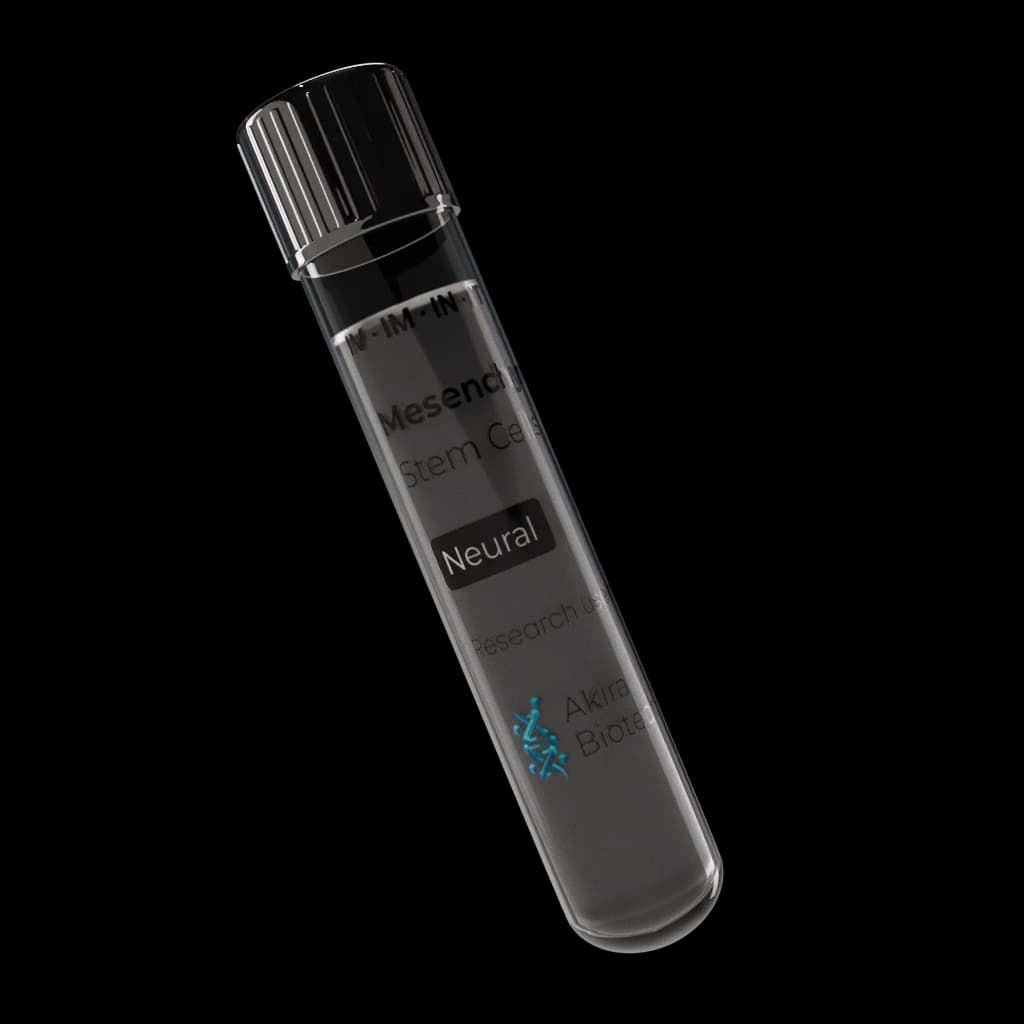
SKU MSC-NRL
Neural Stem Cells
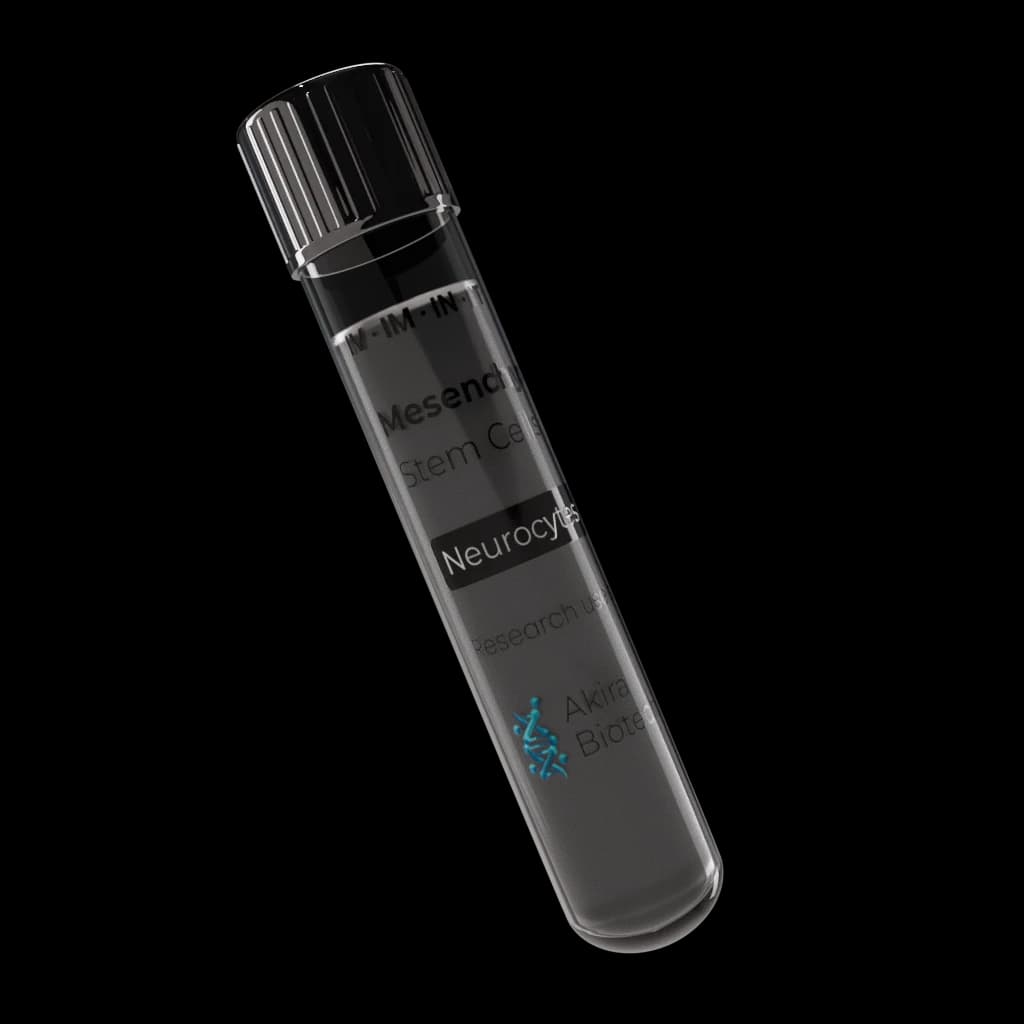
SKU MSC-NCY
Dopamine-Secreting Neurocytes
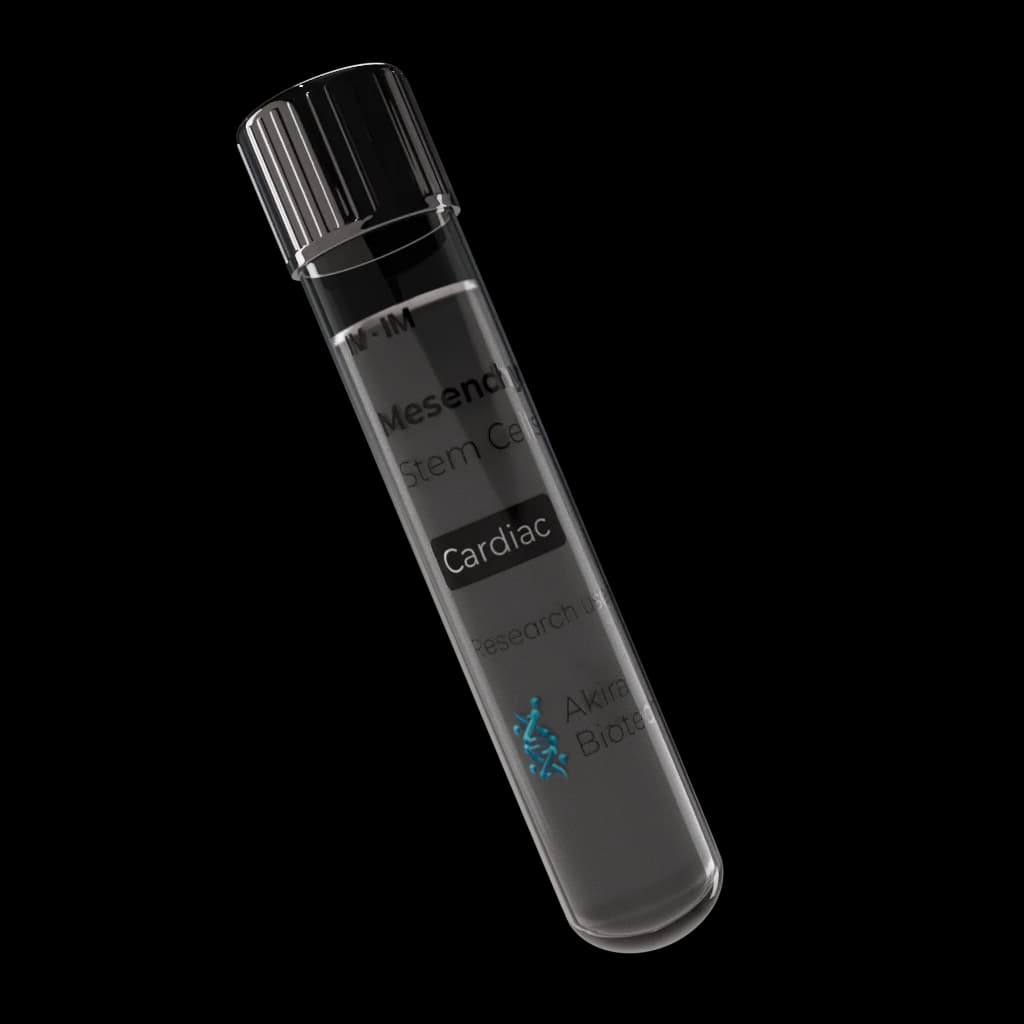
SKU MSC-CAR
Cardiac Progenitor Cells
SKU MSC-PAN
Insulin-Secreting Pancreatic Beta Cells
SKU MSC-OST
Osteoblast Stem Cells
SKU MSC-SKM
Skeletal Muscle Stem Cells
SKU MSC-END
Endothelial Cells
SKU MSC-ALV
Alveolar Type 2 Cells
SKU MSC-KID
Kidney Progenitor Cells
SKU MSC-CHO
Chondrocyte Stem Cells
SKU MSC-EPI
Epidermal Skin Cells
SKU MSC-HEP
Hepatic Stem Cells
SKU MSC-RPE
Retinal Pigment Epithelium (RPE) Cells
SKU MSC-NK
Natural Killer (NK) Cells
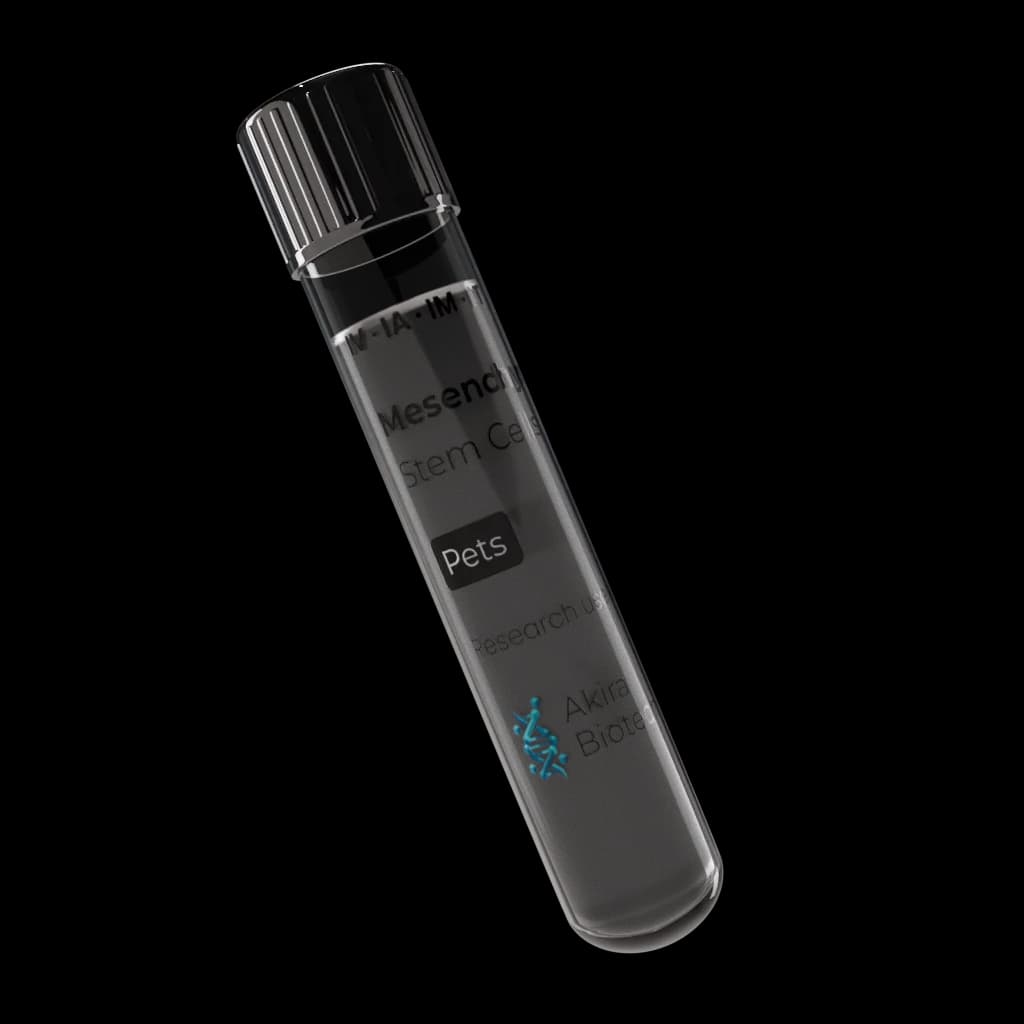
SKU MSC-PET
Pet Mesenchymal Stem Cells
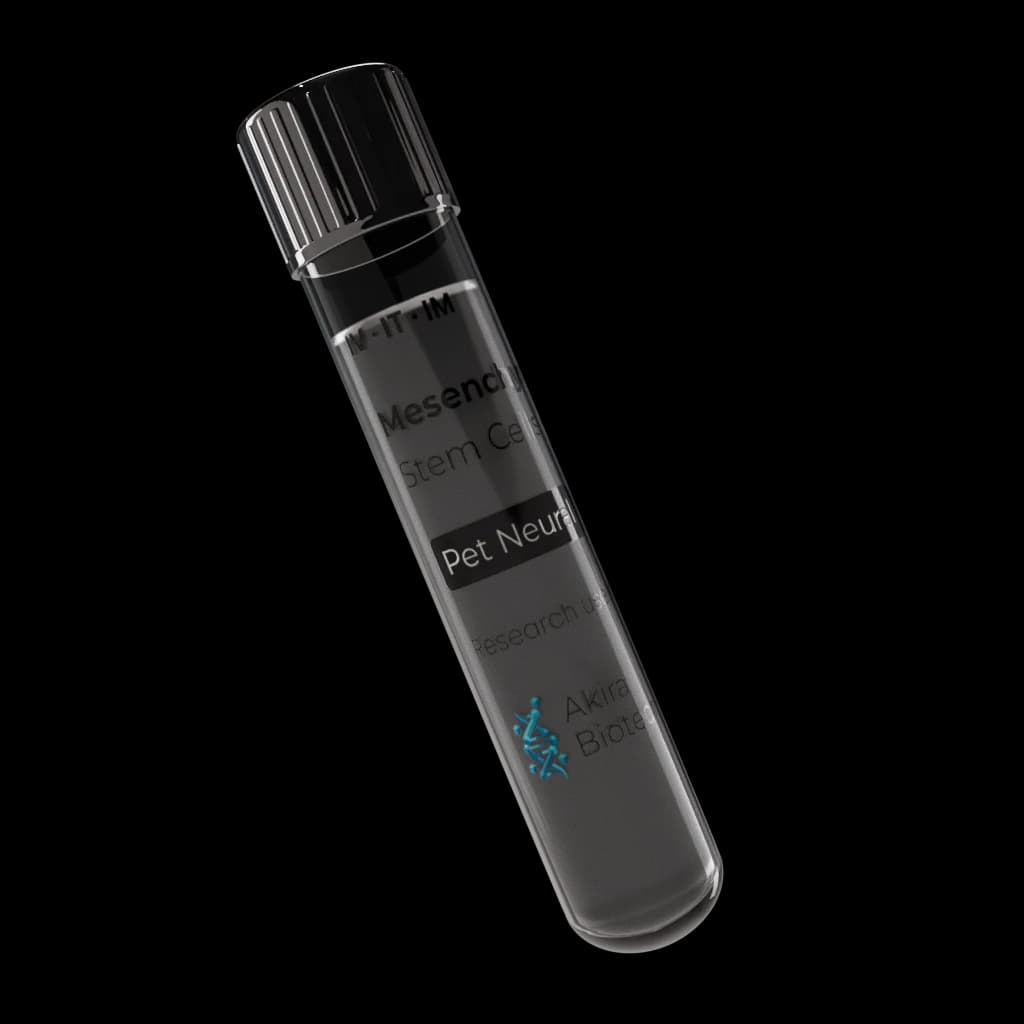
SKU MSC-PET-NSC
Pet Neural Stem Cells
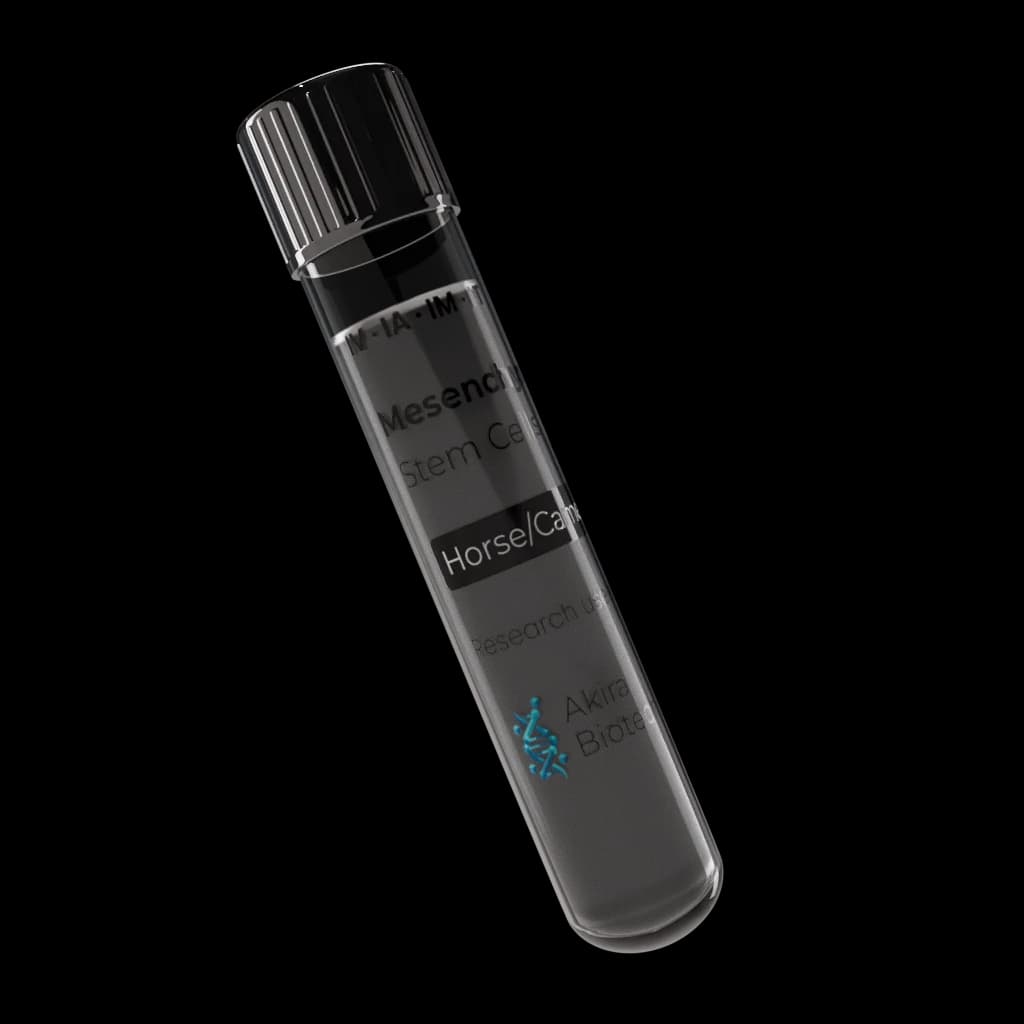
SKU MSC-EQ
Equine & Camelid Mesenchymal Stem Cells
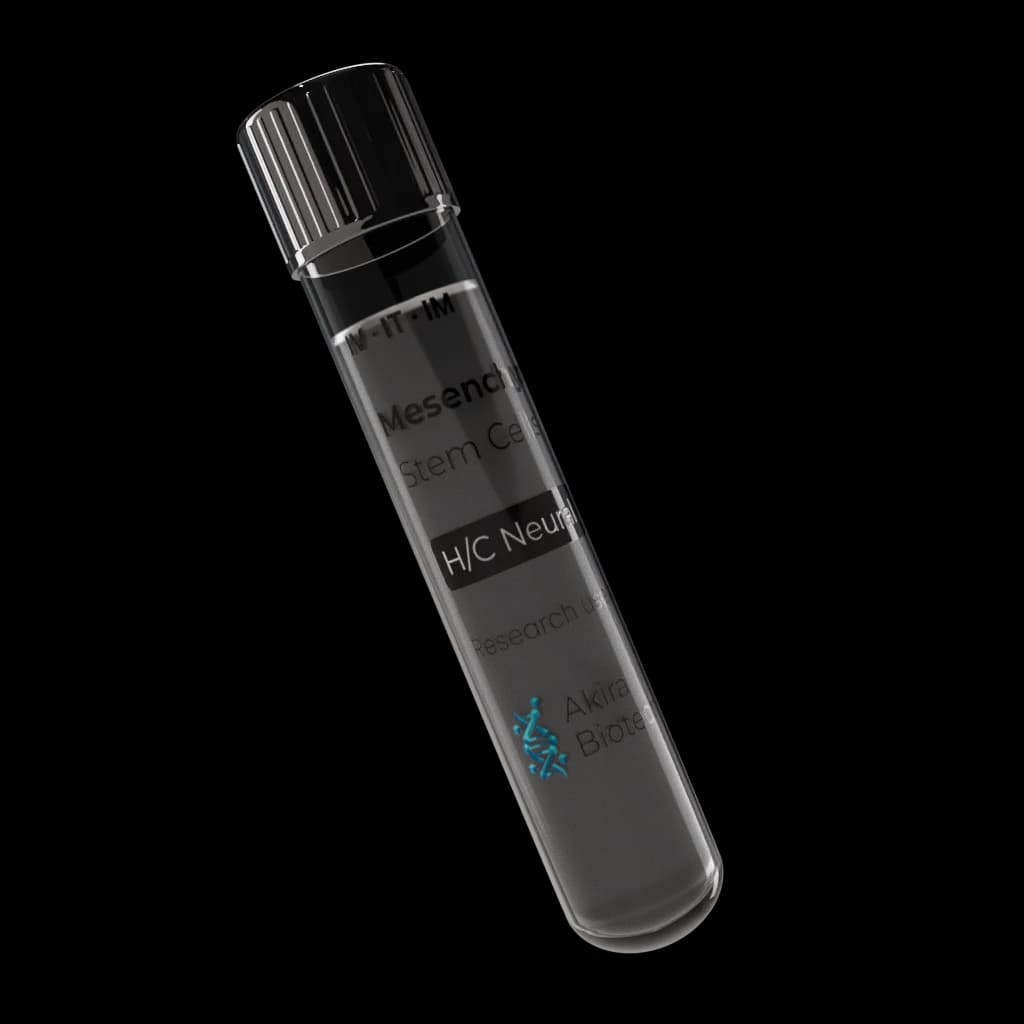
SKU MSC-EQ-NSC
Equine & Camelid Neural Stem Cells
SKU EXO
Exosomes
SKU EXO-NRL
Neural Exosomes
SKU EXO-NCY
Neurocyte-Derived Exosomes
SKU EXO-CAR
Cardiac Exosomes
SKU EXO-PAN
Insulin-Secreting Pancreatic Beta Exosomes
SKU EXO-OST
Osteoblast Exosomes
SKU EXO-SKM
Skeletal Muscle Exosomes
SKU EXO-END
Endothelial Exosomes
SKU EXO-ALV
Alveolar Type 2 Exosomes
SKU EXO-KID
Kidney Progenitor Exosomes
SKU EXO-CHO
Chondrocyte Exosomes
SKU EXO-EPI
Epidermal Skin Exosomes
SKU EXO-HEP
Hepatic Exosomes
SKU EXO-RPE
Retinal Pigment Epithelium (RPE) Exosomes
SKU EXO-NK
Natural Killer (NK) Exosomes
SKU EXO-DER
Dermal Papilla Exosomes
SKU EXO-PV
AB Restore — P/V Shot MAX
SKU SEC
Secretomes
SKU MIT
Mitochondria
SKU WJ
Wharton's Jelly
SKU MUSE
Muse Cells
SKU PEP-PT141-OXY
PT-141 / Oxytocin
SKU PEP-GHK-CU
GHK-Cu
SKU PEP-MOTS-C
MOTS-C
SKU PEP-NAD-INJECTABLE
NAD+ (Injectable)
SKU PEP-NAD-NASAL
NAD+
SKU PEP-BPC-157-10-MG-TB-500
BPC-157 (10 mg) / TB-500
SKU PEP-DSIP
DSIP
SKU PEP-SELANK
Selank
SKU PEP-SEMAX
Semax
SKU PEP-CJC1295-IPA
CJC-1295 / Ipamorelin
SKU PEP-TESAMORELIN
Tesamorelin
SKU PEP-GLP1
GLP-1 Analog
SKU PEP-GLP1-GIP
Dual Agonist GLP-1 + GIP
SKU PEP-TRIPLE-GGG
Triple Agonist GLP-1/GIP/Glucagon
SKU PEP-TRIPLE-GLP1
Triple Agonist / GLP-1
SKU PEP-OXYTOCIN
Oxytocin
SKU PEP-PT141
PT-141
SKU PEP-PT141-OXY-TESA
PT-141 / Oxytocin / Tesamorelin
SKU PEP-EPITALON
Epitalon
SKU PEP-GHKCU-KPV
GHK-Cu / KPV
SKU PEP-SS31
SS-31
SKU PEP-BPC157
BPC-157
SKU PEP-TB500
TB-500
SKU PEP-KPV
KPV
SKU PEP-TA1
Thymosin Alpha-1
SKU PEP-TA1-KPV
Thymosin Alpha-1 / KPV
SKU PEP-SELANK-SEMAX
Selank / Semax
SKU PEP-CJC1295
CJC-1295
SKU MSC
Mesenchymal Stem Cells
SKU MSC-NRL
Neural Stem Cells
SKU MSC-NCY
Dopamine-Secreting Neurocytes
SKU MSC-CAR
Cardiac Progenitor Cells
SKU MSC-PAN
Insulin-Secreting Pancreatic Beta Cells
SKU MSC-OST
Osteoblast Stem Cells
SKU MSC-SKM
Skeletal Muscle Stem Cells
SKU MSC-END
Endothelial Cells
SKU MSC-ALV
Alveolar Type 2 Cells
SKU MSC-KID
Kidney Progenitor Cells
SKU MSC-CHO
Chondrocyte Stem Cells
SKU MSC-EPI
Epidermal Skin Cells
SKU MSC-HEP
Hepatic Stem Cells
SKU MSC-RPE
Retinal Pigment Epithelium (RPE) Cells
SKU MSC-NK
Natural Killer (NK) Cells
SKU MSC-PET
Pet Mesenchymal Stem Cells
SKU MSC-PET-NSC
Pet Neural Stem Cells
SKU MSC-EQ
Equine & Camelid Mesenchymal Stem Cells
SKU MSC-EQ-NSC
Equine & Camelid Neural Stem Cells
SKU EXO
Exosomes
SKU EXO-NRL
Neural Exosomes
SKU EXO-NCY
Neurocyte-Derived Exosomes
SKU EXO-CAR
Cardiac Exosomes
SKU EXO-PAN
Insulin-Secreting Pancreatic Beta Exosomes
SKU EXO-OST
Osteoblast Exosomes
SKU EXO-SKM
Skeletal Muscle Exosomes
SKU EXO-END
Endothelial Exosomes
SKU EXO-ALV
Alveolar Type 2 Exosomes
SKU EXO-KID
Kidney Progenitor Exosomes
SKU EXO-CHO
Chondrocyte Exosomes
SKU EXO-EPI
Epidermal Skin Exosomes
SKU EXO-HEP
Hepatic Exosomes
SKU EXO-RPE
Retinal Pigment Epithelium (RPE) Exosomes
SKU EXO-NK
Natural Killer (NK) Exosomes
SKU EXO-DER
Dermal Papilla Exosomes
SKU EXO-PV
AB Restore — P/V Shot MAX
SKU SEC
Secretomes
SKU MIT
Mitochondria
SKU WJ
Wharton's Jelly
SKU MUSE
Muse Cells
SKU PEP-PT141-OXY
PT-141 / Oxytocin
SKU PEP-GHK-CU
GHK-Cu
SKU PEP-MOTS-C
MOTS-C
SKU PEP-NAD-INJECTABLE
NAD+ (Injectable)
SKU PEP-NAD-NASAL
NAD+
SKU PEP-BPC-157-10-MG-TB-500
BPC-157 (10 mg) / TB-500
SKU PEP-DSIP
DSIP
SKU PEP-SELANK
Selank
SKU PEP-SEMAX
Semax
SKU PEP-CJC1295-IPA
CJC-1295 / Ipamorelin
SKU PEP-TESAMORELIN
Tesamorelin
SKU PEP-GLP1
GLP-1 Analog
SKU PEP-GLP1-GIP
Dual Agonist GLP-1 + GIP
SKU PEP-TRIPLE-GGG
Triple Agonist GLP-1/GIP/Glucagon
SKU PEP-TRIPLE-GLP1
Triple Agonist / GLP-1
SKU PEP-OXYTOCIN
Oxytocin
SKU PEP-PT141
PT-141
SKU PEP-PT141-OXY-TESA
PT-141 / Oxytocin / Tesamorelin
SKU PEP-EPITALON
Epitalon
SKU PEP-GHKCU-KPV
GHK-Cu / KPV
SKU PEP-SS31
SS-31
SKU PEP-BPC157
BPC-157
SKU PEP-TB500
TB-500
SKU PEP-KPV
KPV
SKU PEP-TA1
Thymosin Alpha-1
SKU PEP-TA1-KPV
Thymosin Alpha-1 / KPV
SKU PEP-SELANK-SEMAX
Selank / Semax
SKU PEP-CJC1295
CJC-1295